
Send this article to a friend:
March
02
2026
|
Send this article to a friend: March |
When Central Bankers Worry About Aliens, the Problem Isn’t Aliens
Why, of course, you call on an alien invasion. The Independent recently ran the headline, “Bank of England must plan for a financial crisis triggered by aliens, says former policy expert,” with the subhead, “Financial markets could collapse if the American government confirms the existence of alien life.” Hedge funds — including ours — know what’s coming. The Bank of England and the Ultimate Shock Scenario If a government ever rolled out an official disclosure in a way that genuinely shook people, the real impact wouldn’t be aliens. It would be permission. Permission to say the old rules no longer apply. Permission to move fast, centralize decisions, and explain later. It’s what happens in every crisis. So if you need to get these things done, then it is logical that a crisis is needed. If needed badly enough, then created. This leads to false flags. False flags have been used for centuries to take nations to war or justify all manner of actions. When people are scared and disoriented, they don’t ask for elegant policy. They ask for stability. And they’ll often accept limits they would normally resist, simply because uncertainty feels worse than control. Markets are simply the collective decisions of many people, and people are emotional creatures who build their lives on stories and expectations. This is why markets price stories, not just numbers. But what happens when the stories or narratives break? This is when markets price numbers. It is how we get booms and busts. Think of any boom. At some point it almost always becomes irrational. The numbers stop making sense. Then they price stories about growth, safety, and institutional competence. A reality-shattering event doesn’t just move prices; it breaks the story itself. When that happens, you get volatility, a rush toward anything that feels safe, stress in banks and payment systems, and eventually spillover into the real world. That’s what the former Bank of England analyst is really describing. Not science fiction, but fragility. Now, let’s flip the lens. If authorities wanted to use that destabilization as cover, disclosure becomes a master key. You can introduce emergency measures without calling them permanent. You can blame instability on “the event” instead of past policy mistakes. You can centralize decision-making because coordination suddenly sounds like survival. And the stranger the event, the fewer people argue details. Nobody debates balance sheets when they’re trying to re-anchor reality. History indicates that societies rally around threats. Fear unifies behavior faster than persuasion. This is why you’ll see politicians driving fear. Remember the Covid scam and how you’d certainly die without lockdowns and the poison shots (fear), and then to add to it, you’d be killing granny (shame and guilt). And for that purpose, credibility matters more than truth. The report even explored the idea of an overwhelming external menace — something so large it could push nations into centralized action almost automatically. This all sounds like a World Economic Forum wet dream. War and crisis have always been the fastest paths to expanding authority. Seen through that lens, disclosure wouldn’t be about knowledge. It would function as a global threat narrative. One that makes consolidation and control feel necessary. Remember: fear that overwhelms normal reasoning can be used to justify sweeping changes in governance. Here’s something interesting. Project Blue Beam was a theory popularized in the early 1990s by Serge Monast, which claimed that advanced technology could be used to simulate a massive religious or extraterrestrial event in order to unify populations under centralized authority. There’s no credible evidence such a project exists, but that’s almost beside the point. What it captures is a logic of power — spectacle creates fear, fear suspends resistance, and consent follows faster than debate ever could. Reframing This Through the Bank of England LensViewed this way, the Bank of England is acknowledging how fragile the system already is. Trust is thin, narratives move faster than institutions, and once belief breaks, authorities suddenly have cover for actions that would normally be politically impossible. A disclosure-style shock would provide that cover instantly. Strip away the conspiracies and the core point is simple: markets don’t fail because numbers change — they fail because belief collapses. And if anyone ever needed a fast excuse to centralize power or expand emergency authority, a shock to belief would do it. That doesn’t prove a plan exists — it explains why the idea lingers, and why systems built on trust quietly fear the moment trust itself becomes the variable. Meanwhile, capital has been sniffing this out both on a sector basis — just look at gold and silver… Editor’s Note: If the last few years have taught us anything, it’s that the stories people are told—about safety, stability, and “normal”—can change overnight, and markets reprice that shift faster than most investors can react. That’s why we put together a free special report, Clash of the Systems: Thoughts on Investing at a Unique Point in Time, to help you make sense of the economic, political, and cultural currents converging right now—and what they may mean for your money and your personal freedom. If you want a clear, contrarian framework for what risks could be building and how you might position yourself before the next narrative breaks, download the free report by clicking here.
He now manages money for clients of Glenorchy Capital; a macro focused hedge fund. Chris is the founder of Capitalist Exploits, with its flagship investment subscription letter called Insider. Insider gives subscribers access to Chris and the team’s latest thinking on what assets you need to own now to bulletproof your portfolio. This is not just another investment newsletter; it is focused guidance and strategic structuring of your investments for the years ahead. Click here for more details.
|
Send this article to a friend:
 |
 |
 |
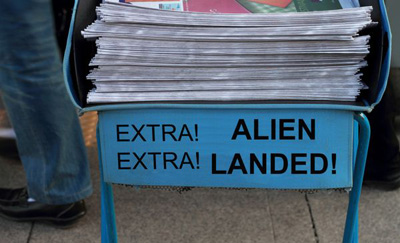 What do you do when the financial system is hanging by a thread and about to collapse?
 After working for many top-tier investment banks, Chris left the corporate world. He has since built and sold multiple million-dollar businesses, built a VC firm allocating $35m into early-stage ventures, and become a full-time trader.