Send this article to a friend:
August
18
2014

|
Send this article to a friend: August |
|
Why Oil Prices That "Should" Be Going Higher Are Going Lower
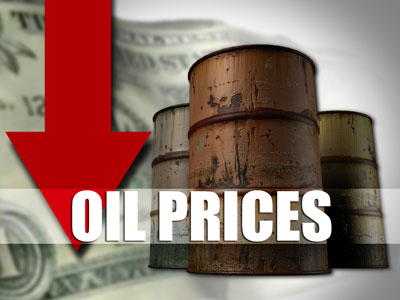
One long-term trend in the oil market and one very short-term trend have made the difference between a price that ‘should’ be higher, but is in fact going lower. We need to really understand those changes to track where oil prices will go next and where those underlying oil stocks are headed. Let’s take the long-term trend first. For the years from 2003 until just about a year ago, the oil markets were dominated by trade that was mediated by the big investment banks, particularly Morgan Stanley, Goldman Sachs and JP Morgan. Those banks, besides having their own proprietary capital in the forwards and futures markets, also developed an army of participants on both sides of the trade, both commercial players looking for risk management of oil and speculative players, in the form of passive investment and new commodity based hedge funds. But the banks, and particularly these largest three, have abandoned the oil market, selling their proprietary interests or outright closing them down – which had an on the nature of the trade - and abandoning the sales of futures components on a commercial and retail level. This has taken an enormous amount of speculative steam out of the oil trade, leaving most of the volume to private physical traders, algorithms, and dedicated hedge managers. In effect, many of the new speculative interests that would flood the markets with every geopolitical change are now gone. You won’t find a massive inflow of new money when the latest dust-up in the Middle East occurs, as it did for the Iranian threats in the Gulf of Hormuz or the Libyan Civil war even a few short years ago. The banks were mostly responsible for herding these kinds of new money interests. And now they’re mostly gone. The short-term trend? Everyone is currently long. Virtually every dedicated hedge fund and physical player – the remaining big money traders – are expecting the geopolitical risks to global oil translate to higher prices, and rightly so. But their positions are one-way and practically unshakable. You can see that in the latest Commitment of Traders report from the CFTC, where speculative shorts in crude oil have fallen to a historic low of 3%. Despite the real risks to global supply and the very likely prospect of a true crude shortage in the near-future, you still cannot get prices to go higher when everyone has the trade on the exact same way. In the end, as with all financial markets and no matter what the fundamentals say – if you don’t have more buyers than sellers, or in this case, if all the buying is already done with little more on the way – there’s only one way for the market to go, and that’s down. What can change this? Well, we can’t expect a new agent of retail and commercial sales, like the banks to emerge, that’s for sure. What will have to happen is either a shake-out of the longs already in the market – a possibility should crude cross the long-term trend line at around $94 – or the influx of new buyers. Those new buyers will need to be inspired by a new trade, involving the dollar perhaps, or another, even worse geopolitical event, or a true physical shortage of supply. But until one of those things begins to happen, expect this slow swoon of oil prices to continue – despite all the fundamentals that strongly point to the contrary. By Dan Dicker, Inside Investor, via Oil & Energy Insider And here’s another reason for the drop in the price of oil: demand in the OECD countries shrank in Q2. But the real surprise is slow demand growth in China, where the economy is cooling. Read….. As Global Demand For Oil Drops, Worries Rise for Debt-Heavy Oil Companies |
|---|
Send this article to a friend:
 |
 |
 |