Send this article to a friend:
April
22
2026
|
Send this article to a friend: April |
War and QE Mean Higher Inflation
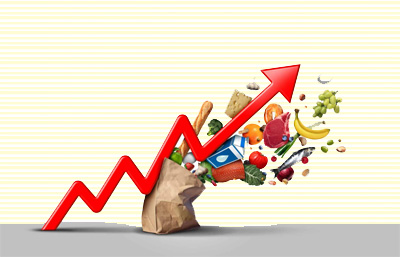
Peter opens by linking today’s rally to a string of optimistic headlines from the White House and Iran: The catalyst for the rally today was news coming out of the White House, coming out of Iran related to not only does the ceasefire continue, but potentially the complete opening of the Strait of Hormuz. Donald Trump claims it’s never going to be closed again. I kind of doubt that, but I think the Iranians are referring to it as a temporary reopening pending the end of the ceasefire and how the negotiations go. But according to Trump, the negotiations are already over and we’ve won. And also we have a ceasefire apparently between Israel and Lebanon. He immediately pivots to the role of the central bank, warning that the Fed’s actions are lowering real interest rates and expanding its balance sheet — a recipe for higher consumer prices: And so the Fed is allowing real interest rates to fall. In fact the Fed’s balance sheet continues to grow. The balance sheet again in the most recent week up about another 11 billion. Now we’re over a 6.7 trillion balance sheet. Again the balance sheet is up over 200 billion this year. The Fed is doing quantitative easing. Money supply as I said is up better than 5% year on year. This is a highly inflationary monetary policy and it will be even more inflationary the longer this war continues. Peter reminds listeners of a basic principle of economics: businesses survive because they create value and earn a profit, not because they exist for their own sake. He frames this definition to set up a critique of government-managed operations: Well, a business is successful if people want to buy the products that the business makes or the services that the business provides. And the business is able to produce those products or provide those services at a cost that is lower than the value that the customer places on those goods or services. And that’s what enables the profit. If he can’t do that, then he loses money. And you don’t get rich with a money-losing business that ultimately fails. To make that contrast concrete, Peter asks listeners to imagine a city-owned grocery store and points out the inevitable inefficiencies when profit motive is removed:
He then addresses another often-overlooked policy problem: property taxes on owner-occupied homes. Peter explains how a tax tied to real estate can create cash-flow problems for retirees who have no wage income: The problem with a property tax on a piece of residential property that you do not rent out that you live in yourself is that you have no way to pay the property taxes unless you have other income, unless you have a job or some other source of funds. But what if I’m retired? What if I have a house, I paid off the mortgage and I don’t want to work anymore. I just want to live in the house that I own. I don’t need a lot of money. He wraps up by pointing out how this taxation regime violates property rights when it confiscates property unjustly:
|
Send this article to a friend: